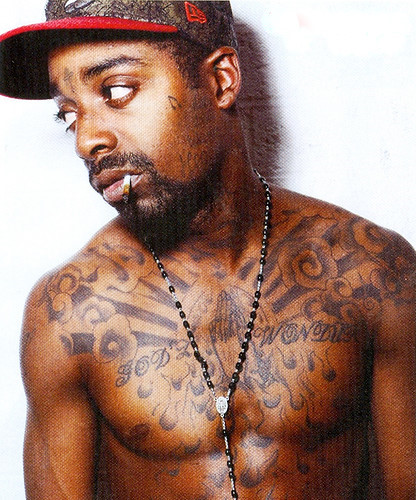
The narrative of Rapper Kempi, whose real name is Jerrely Slijger, is a compelling and often tumultuous tale deeply intertwined with the harsh realities of poverty, the allure of the streets, and the consequences of legal entanglements. Hailing from the vibrant but challenging environment of Eindhoven, Netherlands, Kempi’s journey reflects a constant struggle between his undeniable musical talent and a recurring pattern of run-ins with the law. His story is not just one of a rapper but of a young man navigating a complex existence, often finding himself caught in a cycle of aspiration and adversity.
The Formative Years: From Eindhoven Streets to Aspiring Artist
Born with roots in the Netherlands Antilles, Jerrely Slijger, better known as Rapper Kempi, grew up in the bustling Dutch city of Eindhoven. His childhood was far from idyllic. As the middle child in a large family of seven siblings – four brothers and two sisters – raised by a single mother, Kempi quickly learned the meaning of scarcity. His home, a crucible of necessity, often contained "more hungry mouths than spoonfuls of food," as the rapper himself might have experienced. This early exposure to economic hardship instilled a fierce drive for self-preservation and resourcefulness, pushing him to seek out any available option to provide for himself and contribute to his family.
Inevitably, this pursuit often led him down paths that intersected with the law. Kempi's early life was marked by frequent encounters with the legal system, with significant portions of his formative years spent behind bars rather than freely roaming the streets. It was within this challenging backdrop that music, specifically rap, began to emerge not just as an escape but as a potential conduit for change. Initially, rapping was merely a hobby, a powerful outlet for processing the intense experiences he witnessed and lived through. Influenced by legendary figures like 2Pac and Lil Wayne, alongside Dutch pioneer Duvel, Kempi frequently chronicled his daily life and observations in his lyrics. However, the "Gramma Boy," as he was sometimes known, hadn't yet fully committed to hip-hop as a serious career. The raw, unfiltered nature of his rhymes directly reflected his street experiences, making his music resonate deeply with those who understood his struggle.
His early struggles with poverty and the justice system, though challenging, paradoxically forged the authentic voice that would later define his musical identity. Every verse he penned, every beat he rhymed over, was a testament to his origins, offering listeners a raw, unvarnished look into the world he inhabited. This authenticity, born from adversity, became a cornerstone of his appeal, drawing a dedicated fanbase eager for narratives that mirrored their own realities or offered a glimpse into a different, often harsher, existence.
Legal Labyrinths: Kempi's Encounters with the Law
The journey of Rapper Kempi has been consistently punctuated by significant legal battles, casting a long shadow over his promising music career. One of the most prominent instances involved his 2010 conviction for "loverboy practices," where he was sentenced to fifteen months in prison. The court in Den Bosch found him guilty of exploiting a then 16-year-old girl, compelling her to work in Eindhoven's notorious red-light district and various clubs. Despite Kempi's consistent denials, the court maintained that there was substantial evidence to support the charges.
During his trial, Kempi offered a memorable, albeit controversial, defense, stating that he could not recall the events due to heavy cannabis use at the time: "I smoked quite a lot of weed," he reportedly told the court. This explanation, while shedding light on potential substance abuse issues, did little to sway the legal outcome. Ultimately, he opted not to pursue an appeal, accepting the verdict and the subsequent incarceration.
Following his release from this particular sentence in December, as confirmed by his lawyer Rob Frijns, there was a sense of optimism. Frijns stated that Kempi had "served his sentence and this matter is now closed," suggesting a fresh start. Kempi himself seemed to embrace this, becoming active on social media and sharing moments with his family during the holiday season. However, this period of apparent tranquility was tragically short-lived. The cycle of legal trouble soon reasserted itself when Jerrely Slijger was once again arrested, this time for allegedly threatening his ex-girlfriend with a pistol in Helmond. This incident, captured in a viral YouTube video depicting his arrest, starkly highlighted a worrying pattern of alleged physical violence against women and further aggravated his already extensive criminal record.
This recurring pattern of legal issues, denials, and subsequent convictions has made Kempi's story a poignant case study in the challenges of personal rehabilitation and the lasting impact of one's past. For a deeper dive into the specifics of his many court appearances and the persistent denials that have accompanied them, readers might find it insightful to explore Rapper Kempi's Legal Battles: A History of Denials and Convictions.
The Artist vs. The Adversary: A Public Persona Under Scrutiny
The tumultuous personal life and legal entanglements of Rapper Kempi have inevitably placed his public persona under intense scrutiny, creating a complex interplay between his artistic output and his controversial actions. His raw, authentic portrayal of street life in his music resonates with many, yet his repeated brushes with the law, particularly those involving violence and exploitation, challenge the ethical boundaries of supporting an artist whose life experiences often contradict societal norms.
After his release from his "loverboy practices" conviction, Kempi's immediate return to social media, featuring heartwarming photos with his family during Christmas, presented a stark contrast to the legal turmoil that defined much of his past. This period suggested an attempt to recalibrate his image, perhaps aiming for a narrative of redemption and a focus on familial bonds. However, the subsequent arrest for allegedly threatening his ex-girlfriend with a pistol quickly shattered any hopes of a clean slate, reigniting public debate about his character and the implications for his career with Top Notch, his record label.
For artists like Kempi, who draw heavily from their street experiences, the line between art and reality often blur. While his music provides a powerful voice for communities often unheard, the accompanying legal issues raise difficult questions for fans, critics, and the industry alike. How does one reconcile appreciation for an artist's talent with condemnation for their alleged actions? This ongoing tension makes Kempi a fascinating, albeit troubling, figure in Dutch hip-hop.
The challenges Kempi faces are not just legal but also deeply personal, reflecting the immense pressure that comes with public life, especially for those from disadvantaged backgrounds struggling to escape entrenched patterns. The media's spotlight, while providing a platform for his art, also relentlessly illuminates his shortcomings, making any attempt at true personal transformation an uphill battle fought in the public eye. To understand more about how these incidents have shaped his career trajectory and public perception, consider reading Kempi's Controversial Comeback: From Prison to New Allegations.
Lessons Learned or Cycles Repeated? Reflecting on Kempi's Journey
The persistent cycle of legal challenges faced by Rapper Kempi raises profound questions about personal accountability, rehabilitation, and the enduring grip of one's past. Each release from prison, followed by subsequent allegations and arrests, points to a deeply ingrained pattern that is difficult to break, even for someone with a platform and public visibility.
One of the recurring themes in Kempi's narrative is his denial of many charges, often accompanied by explanations such as heavy cannabis use. While substance use can certainly impair memory and judgment, it also underscores a potential underlying issue that, if unaddressed, can perpetuate a cycle of poor decision-making and legal trouble. True rehabilitation often requires more than just serving time; it demands a fundamental shift in mindset, a willingness to confront personal demons, and access to comprehensive support systems.
For individuals, particularly public figures, emerging from cycles of incarceration and crime presents unique challenges. The public's expectations for transformation often clash with the systemic barriers and personal struggles that make true change incredibly difficult. Here are a few key considerations that Kempi's journey brings to light, offering broader lessons for anyone facing similar struggles:
- Addressing Root Causes: Instead of merely treating symptoms (like legal consequences), it's crucial to address the root causes of destructive behavior, which might include poverty, trauma, lack of education, or substance abuse. Kempi's mention of "wiet" hints at such underlying issues.
- Seeking Professional Support: Beyond legal representation, access to mental health counseling, addiction recovery programs, and mentorship can provide vital tools for breaking negative cycles.
- Building a Positive Support System: Surrounding oneself with positive influences and a supportive community is paramount. While Kempi shares family photos, the alleged incidents indicate potential issues within his immediate circle or personal relationships.
- Long-Term Commitment to Change: Rehabilitation is not a one-time event but an ongoing process that requires consistent effort, self-reflection, and a genuine commitment to personal growth. Public figures often face immense pressure to "perform" change, but the real work happens internally and away from the cameras.
- Leveraging Influence for Good: Artists with street credibility have a unique opportunity to use their platforms to advocate for positive change, educate youth, and inspire healthier choices. This requires them to walk the talk, which is often the hardest part.
Kempi's music frequently reflects the hardships he has endured, offering a raw, unfiltered perspective. This artistic expression could serve as a powerful tool for catharsis and communication, yet the persistent disconnect between his lyrical narrative and his real-life actions highlights the complexity of his situation. The challenge for Rapper Kempi, and for many artists who emerge from similar backgrounds, lies in transforming the lessons learned from their adversity into a sustained path of personal growth and positive influence, rather than becoming perpetually trapped within the very stories they tell.
In conclusion, Rapper Kempi's journey is a compelling, yet often disheartening, exploration of talent battling self-destruction. From his challenging upbringing in Eindhoven to his impactful music career, his narrative is a potent blend of raw artistic expression and persistent legal entanglements. While his early life experiences undoubtedly shaped his distinctive voice and lyrical prowess, they also seem to have contributed to a cycle of adversity that he has struggled to escape. As his story continues to unfold, it serves as a stark reminder of the complexities inherent in overcoming a difficult past, the immense pressures faced by public figures from challenging backgrounds, and the perpetual hope for redemption that accompanies every new chapter.